Essential Waterproofing Materials for Your Home
Moisture intrusion is one of the most common challenges property owners face, affecting everything from structural components to indoor comfort. Water can enter a home through foundations, walls, crawl spaces, roofs, and other vulnerable areas, often causing damage that develops gradually over time. Because moisture problems are not always immediately visible, they can continue to worsen before being detected. This is why selecting the right waterproofing materials is an important part of protecting residential properties from long-term deterioration.
Homes are exposed to changing weather conditions throughout the year, including heavy rainfall, snowmelt, humidity, and groundwater pressure. These environmental factors can place continuous stress on building materials and create opportunities for water infiltration. When moisture finds its way into a structure, it may affect wood, concrete, drywall, and other critical components. Quality waterproofing materials help create barriers that reduce the impact of these environmental conditions and support the overall durability of the home.
According to a 2025 industry report from Expert Market Research, around 98% of U.S. basements face moisture damage during their lifetime, highlighting the need for effective waterproofing solutions. This statistic demonstrates how widespread moisture-related issues can be across residential properties. It also emphasizes the importance of selecting products designed to address different forms of water exposure. Understanding available options allows homeowners and contractors to make informed decisions about property protection.
Exploring Foundation Protection Solutions
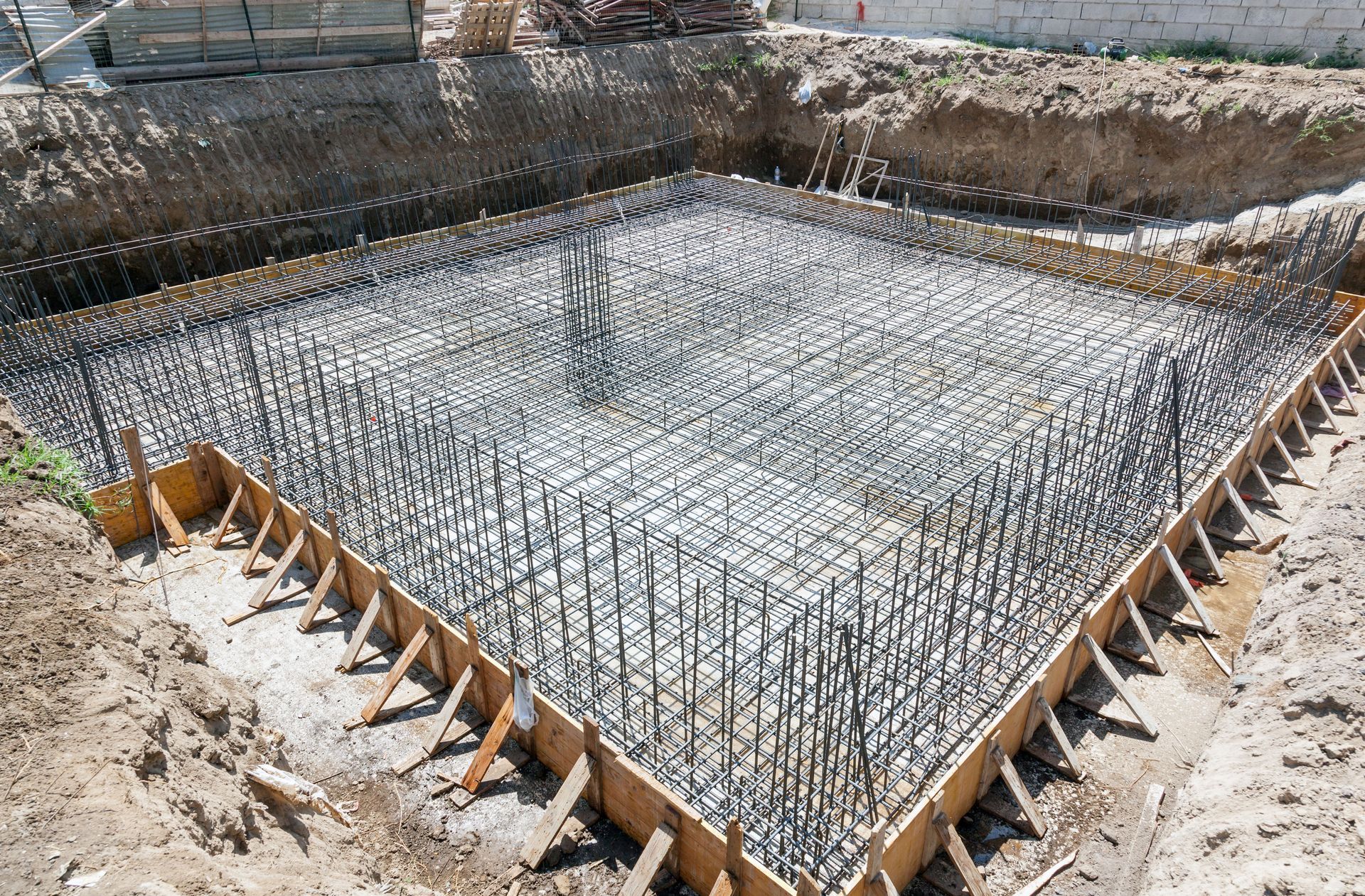
The foundation serves as the structural base of a home, making moisture control especially important in this area. Water that accumulates around foundation walls can create pressure that encourages seepage through cracks and porous surfaces. Over time, recurring moisture exposure may contribute to structural concerns and indoor humidity issues. Effective waterproofing materials designed for foundation applications help reduce these risks by creating protective barriers against water penetration.
Liquid-applied membranes are commonly used to protect foundation walls because they create a seamless coating across the surface. These products are formulated to adhere closely to concrete and masonry materials while helping prevent moisture infiltration. Their flexibility allows them to accommodate minor structural movement without losing effectiveness. As a result, they remain a valuable option for many residential waterproofing projects.
Sheet membranes are another widely used solution for foundation protection. These products are manufactured in rolls and applied to surfaces to create a continuous layer of moisture resistance. Their consistency and durability make them suitable for demanding environments where groundwater exposure is a concern. Many contractors choose sheet-based waterproofing materials when long-term protection and reliable performance are priorities.
Examining Basement Moisture Control Products
Basements are particularly vulnerable to moisture because they are located below ground level and often encounter direct contact with surrounding soil. Groundwater, seasonal weather changes, and poor drainage conditions can all contribute to basement dampness. When moisture enters these spaces, it can affect air quality and lead to deterioration of interior finishes. Selecting appropriate waterproofing materials helps create a more resilient environment below grade.
Cementitious waterproofing products are commonly used in basement applications due to their compatibility with concrete surfaces. These coatings can be applied to walls and floors to help resist water infiltration while maintaining a strong bond with the substrate. Their durability makes them useful in locations where moisture exposure is ongoing. Because of their performance characteristics, they remain a popular choice for basement moisture management.
Crystalline waterproofing systems represent another specialized option. These products react with moisture and concrete components to form crystals within the concrete structure itself. This process helps block pathways through which water might otherwise travel. By enhancing the water resistance of the concrete from within, these waterproofing materials provide an additional layer of protection in moisture-prone environments.
Selecting Exterior Wall Protection Systems
Exterior walls play an important role in shielding homes from weather-related moisture exposure. Wind-driven rain, humidity, and seasonal temperature fluctuations can all affect wall assemblies over time. Without proper moisture management, water may enter vulnerable areas and compromise building materials. Choosing suitable waterproofing materials helps strengthen the exterior envelope and improve overall building performance.
Weather-resistant barriers are commonly incorporated into wall systems to help manage moisture while allowing vapor transmission. These products assist in reducing water intrusion while supporting proper drying within the wall assembly. Their versatility makes them valuable components in many residential construction projects. When integrated effectively, they contribute to a comprehensive moisture control strategy.
Protective coatings are another option used on exterior surfaces. These products can be applied to masonry, stucco, and concrete walls to enhance water resistance while preserving the appearance of the structure. Many formulations are designed to withstand environmental exposure and maintain performance over time. By helping repel moisture, these solutions support the longevity of exterior building materials.
Comparing Roofing Waterproofing Technologies
The roof is one of the most exposed areas of any home and serves as a primary defense against precipitation. Rain, snow, ice, and ultraviolet exposure can all place significant demands on roofing systems. Effective moisture management requires products that can withstand these environmental conditions while helping prevent leaks. High-quality waterproofing materials are often incorporated into roofing assemblies to enhance protection and durability.
Roof underlayments provide an important secondary barrier beneath roofing materials. These products help reduce moisture intrusion if water bypasses the outer roofing surface. Modern underlayments are designed to offer enhanced durability and resistance to environmental stress. Their role in protecting roof structures makes them an essential component of many roofing systems.
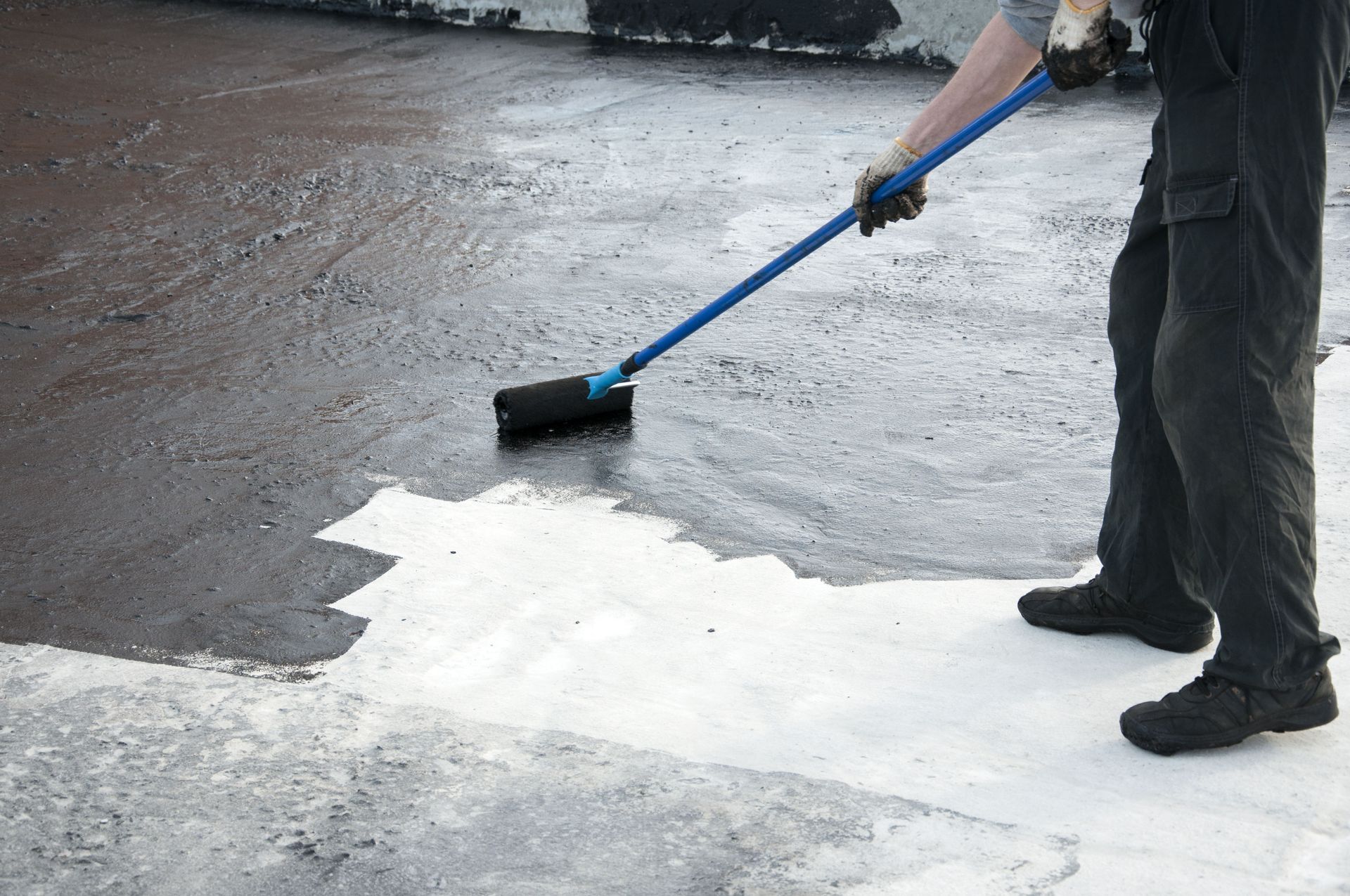
Specialized roof coatings also contribute to waterproofing performance. These coatings can create seamless protective layers that help reduce water penetration and extend the service life of roofing surfaces. Depending on the application, they may be used on both residential and commercial structures. Their versatility allows property owners to address moisture concerns while maintaining the integrity of the roof.
Evaluating Drainage Support Components
Waterproofing involves more than surface protection alone. Effective moisture management also depends on controlling how water moves around a property. Drainage systems help direct water away from vulnerable areas and reduce the likelihood of prolonged moisture exposure. When combined with quality waterproofing materials, these components create a more comprehensive approach to property protection.
Drainage boards are frequently installed alongside foundation waterproofing systems. These products create channels that encourage water movement away from structural surfaces. By reducing hydrostatic pressure against foundation walls, they help improve the effectiveness of waterproofing measures. Their inclusion often strengthens the overall performance of below-grade protection systems.
Drainage mats and composite drainage products serve similar functions in various applications. They are designed to facilitate water movement while protecting waterproofing layers from damage during backfilling or construction activities. These products work together with membranes and coatings to support long-term moisture management objectives. Their contribution is an important consideration when evaluating complete waterproofing solutions.
Choosing Reliable Waterproofing Supply Sources
Selecting appropriate products is only one aspect of a successful waterproofing strategy. Access to dependable suppliers can also influence project outcomes by ensuring consistent product availability and knowledgeable support. Professional-grade
waterproofing materials are available in a wide range of formulations designed for specific applications. Understanding these options helps contractors and property owners choose solutions that align with project requirements.
Reliable suppliers often provide access to products from established manufacturers known for innovation and performance. They can also offer guidance regarding compatibility between different components within a waterproofing system. This level of support can help streamline project planning and material selection. As waterproofing technologies continue to evolve, having access to current product information becomes increasingly valuable.
When you need waterproofing materials for foundation protection, basement moisture control, exterior wall applications, or roofing systems, we are here to help. Our focus is on supplying products that contribute to long-term durability and effective moisture management. We take pride in supporting projects with knowledgeable service and a broad selection of solutions. Contact Direct Source Supply today to learn how we can assist with your waterproofing needs.
Share On: