August 7, 2026
Managing a successful job site requires careful planning, effective resource management, and reliable raw materials. Among the wide variety of essential building supplies selected by project managers, concrete remains one of the most fundamental structural elements in modern development. Whether constructing foundation slabs, commercial frameworks, or structural retainers, choosing the right formulation and delivery method significantly influences job site workflow and long-term durability. While traditional site-mixed options have historically served basic needs, commercial developments and residential structures increasingly rely on manufactured concrete mixes delivered directly from central batching plants. Sourcing high-quality building supplies allows contractors to maintain rigorous standards across all phases of work.
1. Achieving Superior Material Consistency and Structural Uniformity
Maintaining Precise Water-to-Cement Ratios
One primary advantage of ready-mixed concrete lies in the extreme precision of its batching process. Central production plants utilize automated systems and computer-controlled measuring equipment to proportion aggregates, cementitious materials, and water with exact accuracy. Standard site mixing often suffers from human error, varying moisture levels in raw aggregates, and inconsistent mixing durations. By securing uniform formulations alongside other key building supplies, project managers ensure that every batch exhibits identical compressive strength and workability across the entire project footprint.
Eliminating Variations Across Multiple Pouring Phases
Large structural pours often require consecutive truck deliveries across several hours or days. When site-mixed alternatives are used, slight variations between individual batches can lead to cold joints, uneven curing, and compromised structural integrity. Ready-mixed plants maintain strict quality control protocols that eliminate batch-to-batch discrepancies. According to data published by the National Ready Mixed Concrete Association, production of ready-mixed concrete in the U.S. was estimated to have reached 372 million cubic yards in 2025, reflecting widespread reliance on controlled production methods. Combining consistent mix designs with proper rebar and bar supports helps maintain structural continuity across expansive concrete slabs.
2. Streamlining On-Site Operations and Labor Efficiency
Accelerating Installation Timelines for Fast Schedules
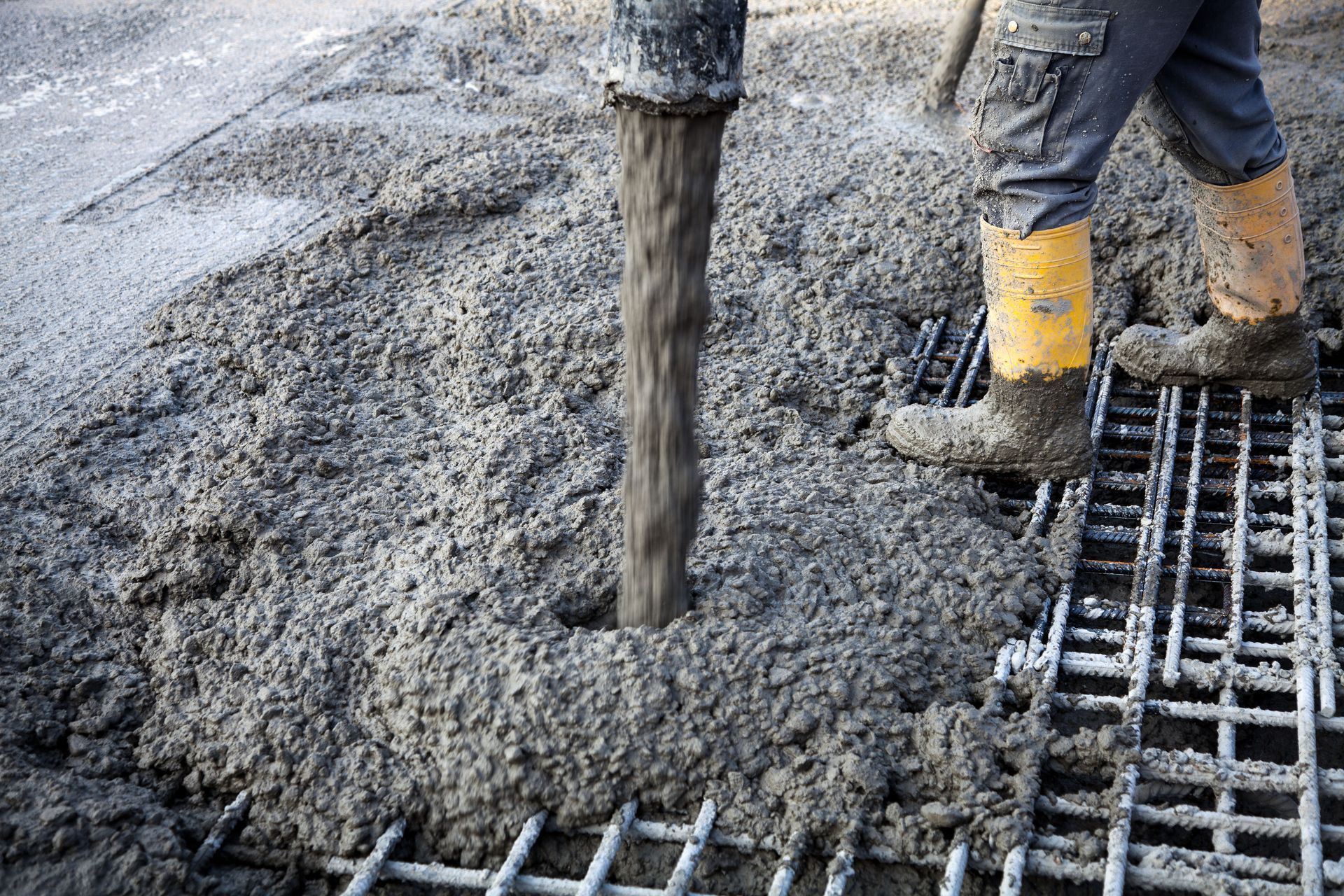
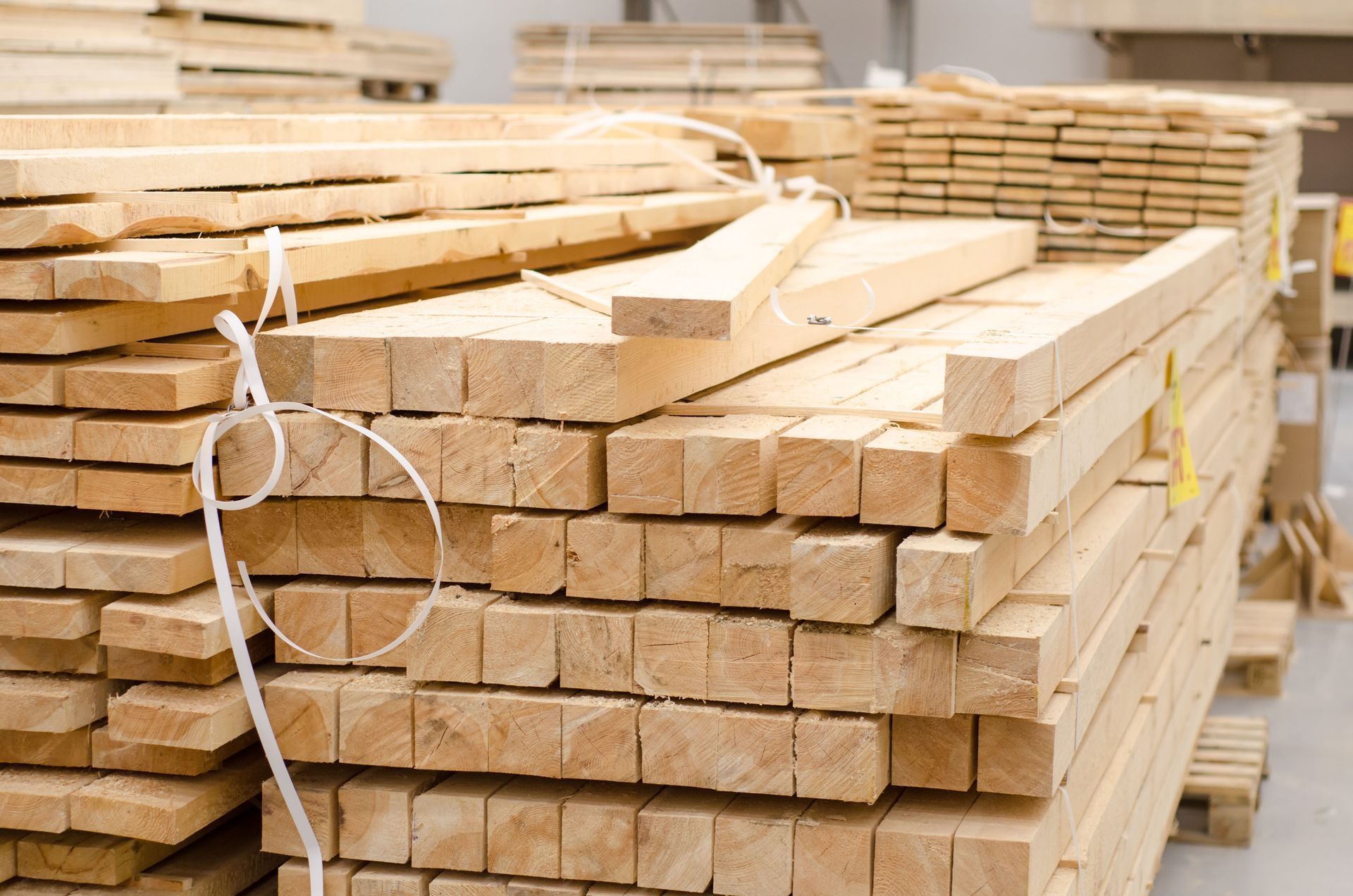
Time management is critical on any active construction job site. Preparing large volumes of concrete manually requires significant setup time, material staging, and labor allocation. Ready-mixed concrete arrives on site fully prepared for immediate placement, allowing installation crews to focus entirely on pouring, consolidation, and finishing. Speeding up the placement process enables general contractors to coordinate subsequent trades more effectively, optimizing the delivery of additional building supplies like lumber and plywood for formwork or framing.
Reducing Physical Workload and Equipment Demands
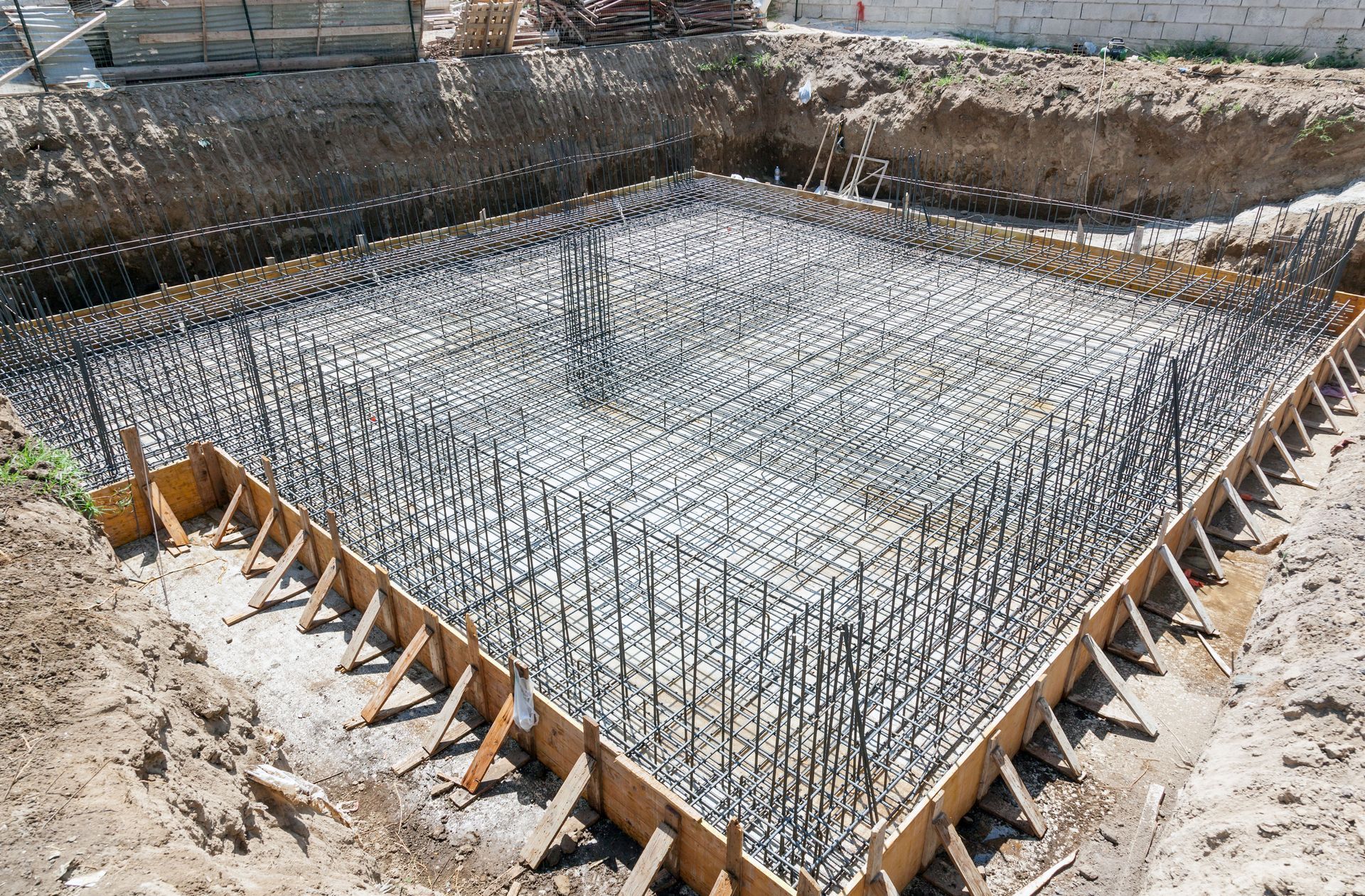
Site-mixing concrete requires dedicated mixing units, raw material storage areas, and intensive manual labor to move heavy bags and aggregates. Choosing plant-mixed concrete minimizes equipment footprints on site and reduces physical strain on workers. Laborers can direct their energy toward placing wire mesh, securing structural steel, and applying waterproofing membranes rather than handling raw aggregate piles. This operational shift improves overall site organization and workflow safety.
3. Enhancing Project Flexibility and Specialized Customization
Formulating Custom Mixes for Diverse Applications
Every structural project presents unique engineering requirements, ranging from rapid strength development to enhanced resistance against moisture penetration. Ready-mixed suppliers can tailor mix designs to meet precise structural specifications, adjusting slump, air content, and setting times. When integrated with protective poly sheeting during the curing process, customized concrete achieves optimum hydration and structural density required by engineering standards.
Adapting to Complex Architectural Designs
Modern architectural concepts frequently incorporate intricate shapes, heavy structural loads, and deep foundation footings. Ready-mixed formulations can be engineered with specific flow characteristics that fill dense formwork without honeycomb defects or voids. Utilizing high-performance mixes in tandem with specialized rebar services ensures that complex elements, such as reinforced retaining walls or heavy load-bearing columns, meet strict engineering specifications.
4. Reducing Material Waste and Environmental Impact
Eliminating Excess Raw Material Storage on Site
Ordering raw ingredients separately often leads to excess inventory, material degradation, and storage challenges. Unused aggregate piles can become contaminated with soil, while cement bags stored outdoors are vulnerable to moisture damage. Delivering pre-portioned concrete directly to the job site eliminates raw material stockpiles, keeping the working environment clean and efficient. Managing job sites with minimal waste makes it easier to track inventories of structural building supplies, including fasteners and masonry materials.
Supporting Sustainable Construction Practices
Centralized batching facilities optimize water usage and aggregate ratios, significantly reducing environmental impact compared to manual mixing. Precise batching prevents over-ordering and minimizes leftover waste that would otherwise end up in landfills. Furthermore, using ready-mixed formulations alongside durable poly sheeting preserves moisture during curing, maximizing energy efficiency and structural lifespan without extra resource consumption.
5. Improving Long-Term Durability and Lifecycle Value
Resisting Environmental Wear and Chemical Exposure
Concrete structures are constantly exposed to environmental stressors, including freeze-thaw cycles, moisture intrusion, and heavy mechanical wear. Ready-mixed concrete incorporates precise aggregate grading and controlled air-entraining agents that bolster resistance against cracking and spalling. Protecting concrete surfaces with quality waterproofing systems further enhances lifecycle longevity, safeguarding foundational elements against groundwater infiltration and ambient moisture.
Minimizing Ongoing Structural Maintenance Needs
A uniform, well-cured concrete structure requires fewer repairs over its operational lifecycle. Inconsistent site-mixed concrete often develops micro-cracks that allow water to penetrate, corroding internal reinforcement. By utilizing factory-controlled concrete alongside properly positioned wire mesh and rebar, builders construct stable structures that maintain integrity over decades, reducing long-term maintenance demands for property owners.
6. Optimizing Job Site Storage and Layout Management
Maximizing Usable Space on Compact Urban Sites
Urban construction projects frequently operate within tight spatial constraints, where material laydown space is strictly limited. Storing large quantities of sand, gravel, and bagged cement and concrete can overcrowd job sites and hinder equipment mobility. Receiving ready-mixed deliveries on a scheduled basis frees up valuable square footage for staging other essential building supplies, such as structural steel and framing materials.
Maintaining Clean and Orderly Working Conditions
A cluttered site poses safety hazards and slows down daily operations. By eliminating open sand piles and cement dust from manual mixing, site managers maintain cleaner workspace conditions. An organized site simplifies the distribution of hardware, bar supports, and general construction materials, fostering a safer and more efficient working environment for all trades on site.
7. Coordinating Concrete Solutions With Integral Building Materials
Integrating Reinforcing Frameworks for Superior Strength
Concrete possesses high compressive strength but requires internal reinforcement to withstand tensile forces. Ready-mixed concrete flows seamlessly around placed rebar and wire mesh, creating a cohesive composite structure. Utilizing quality bar supports ensures that steel reinforcement remains at the designated depth during the pour, maximizing the load-bearing capacity of the finished slab.
Supporting Comprehensive Building Systems
A successful build relies on the seamless integration of structural components. From foundation slabs to framing systems, ready-mixed concrete forms the solid base upon which lumber and plywood structures are erected. Combining concrete placement with complementary products, such as fasteners and masonry materials, ensures that every phase of construction proceeds according to schedule and structural specifications.
Selecting ready-mixed concrete provides clear operational, structural, and environmental advantages for construction projects of any scale. From precise batching accuracy and labor efficiency to improved long-term durability, factory-mixed concrete streamlines site operations while delivering consistent results. When paired with reliable building supplies , general contractors and project managers can execute builds with complete confidence. By optimizing job site layouts, reducing material waste, and integrating proper reinforcing materials, ready-mixed concrete remains a key component in modern, high-performance construction. If you are in need of concrete or masonry supplies, contact Direct Source Supply today for a free quote.